Vehicle Inspections

Vehicle Inspections

Regular vehicle inspections are a cornerstone of responsible vehicle ownership, promoting both safety and performance. Thorough inspections identify potential issues before they escalate into costly repairs, ensuring that critical systems like brakes, tires, and engine components are functioning optimally. Moreover, inspections contribute to road safety by minimizing the risk of unexpected breakdowns and enhancing overall driving experience. By prioritizing vehicle inspections, owners can extend their vehicle’s lifespan, maintain its value, and enjoy peace of mind on the road.

CMF Vehicle Inspection

Our professional vehicle inspection service includes:

Vehicle inspections typically encompass a comprehensive assessment of various components to ensure the vehicle’s safety, reliability, and overall condition. Here’s a list of common tasks included in a thorough vehicle inspection:

  • Exterior Inspection:Checking for body damage, paint condition, and any signs of rust or corrosion.
  • Tire Inspection:Assessing tire tread depth, wear patterns, and inflation levels to ensure safe and efficient driving.
  • Brake Inspection:Examining brake pads, rotors, calipers, brake lines, and checking for proper brake fluid levels.
  • Suspension Inspection:Inspecting shock absorbers, struts, springs, and other suspension components for wear and damage.
  • Steering Inspection:Evaluating steering components, tie rods, ball joints, and power steering system for proper functionality.
  • Fluid Level Check:Ensuring proper levels of engine oil, transmission fluid, coolant, brake fluid, power steering fluid, and washer fluid.
  • Engine Inspection:Checking for oil leaks, abnormal noises, and overall engine condition.
  • Battery and Charging System:Testing battery voltage and inspecting the alternator and starter for proper operation.
  • Exhaust System Inspection:Checking for leaks, rust, and ensuring that the exhaust system is functioning as designed.
  • Electrical System Check:Testing lights, signals, horn, windshield wipers, and other electrical components.
  • Cooling System Inspection:Inspecting radiator, hoses, coolant levels, and ensuring proper cooling system operation.
  • Transmission Inspection:Checking transmission fluid levels, looking for leaks, and assessing transmission performance.
  • Belts and Hoses:Inspecting serpentine belts, timing belts, and hoses for signs of wear, cracking, or damage.
  • Interior Inspection:Checking seatbelts, air conditioning, heating, dashboard warning lights, and overall interior condition.
  • Safety Equipment:Ensuring that safety features like airbags, seatbelts, and child safety restraints are functioning properly.
  • Emission System Inspection:Verifying that the vehicle meets emissions standards and checking for any emission-related issues.
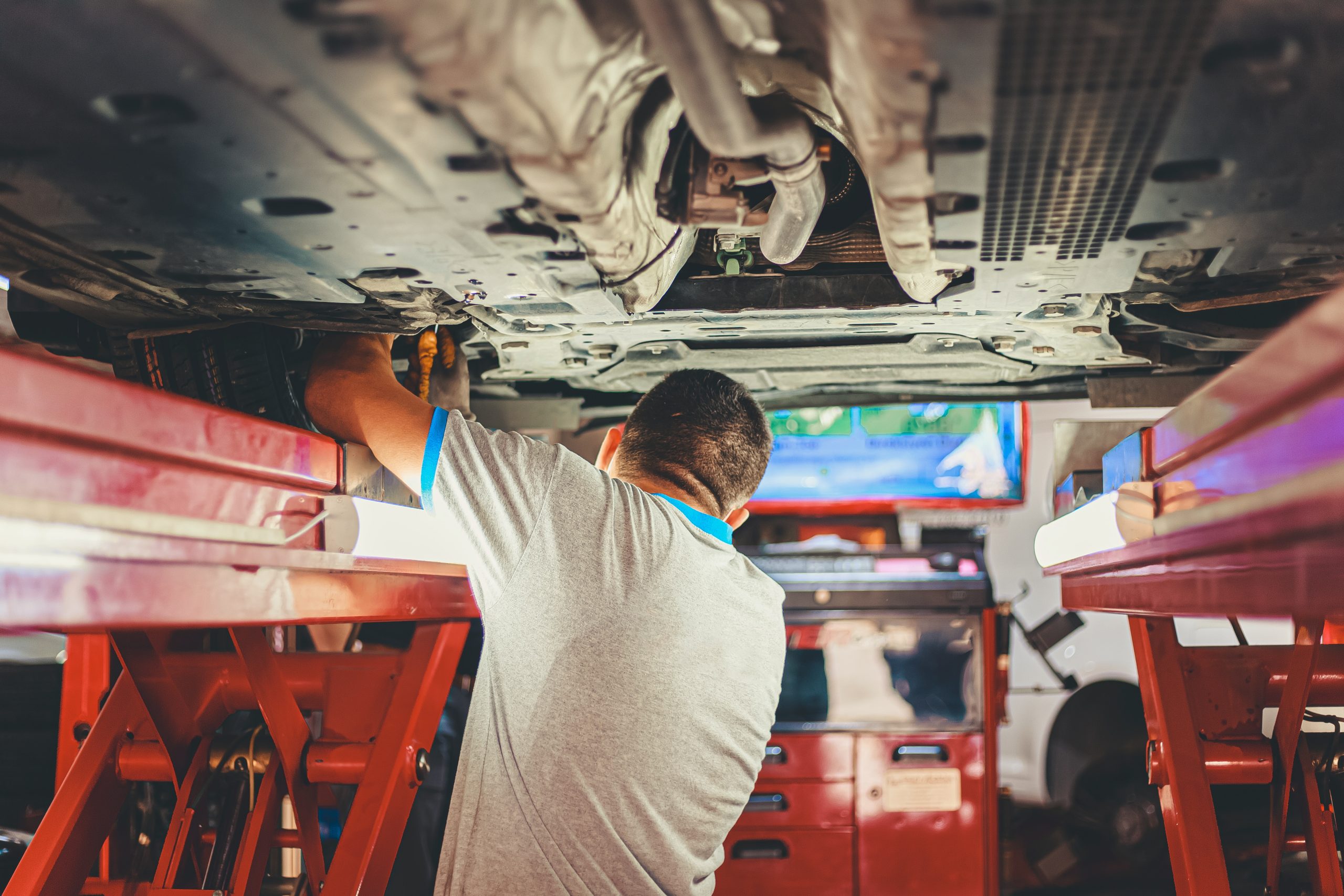
  • Undercarriage Inspection:Examining the undercarriage for signs of leaks, damage, and overall condition.
  • Wheel Alignment and Balance:Checking wheel alignment and balancing to ensure proper tire wear and handling.
  • Road Test:Conducting a road test to assess the vehicle’s overall performance, handling, and braking.

A thorough vehicle inspection helps identify potential problems early, allowing for timely repairs and maintenance that can prevent more extensive and costly issues down the road. It contributes to vehicle safety, reliability, and the overall longevity of the vehicle.

How often should your vehicle be inspected?

The frequency of vehicle inspections can vary depending on factors such as the age of the vehicle, usage, and local regulations. However, here are some general guidelines:

  • Annual Inspection:It’s a good practice to have a comprehensive vehicle inspection performed annually. This helps catch any issues that might have developed over the course of the year and ensures that your vehicle remains in good working condition.
  • Preventive Maintenance Schedule:Many manufacturers provide a recommended maintenance schedule in the owner’s manual. Following this schedule can include regular check-ups and inspections at specific mileage intervals, such as every 5,000 to 10,000 miles.
  • Change of Seasons:Consider getting your vehicle inspected at the change of seasons, especially before winter and summer. Seasonal changes can impact various vehicle systems, and an inspection can help ensure your vehicle is prepared for changing road conditions.
  • Before Long Trips:If you’re planning a long road trip, it’s wise to have your vehicle inspected before embarking. This can help prevent breakdowns and ensure a smoother journey.
  • After Accidents or Incidents:If your vehicle has been involved in an accident or has undergone any incident that could potentially affect its structural integrity or safety systems, it’s important to have a thorough inspection performed.
  • When Noticing Issues:If you experience any unusual noises, vibrations, warning lights, or changes in vehicle behavior, it’s recommended to have your vehicle inspected promptly to identify and address the problem.
  • When Buying or Selling:Before buying a used vehicle, it’s wise to have a pre-purchase inspection to ensure you’re aware of its condition. Similarly, if you’re selling your vehicle, having an inspection report can increase its value and appeal to potential buyers.
  • Local Regulations:Some regions or states require vehicles to undergo periodic safety and emissions inspections. Be sure to adhere to these legal requirements.

Remember that the above are general guidelines. Checking your vehicle’s owner’s manual and consulting with a trusted automotive technician can provide more specific recommendations based on your vehicle’s make, model, and usage patterns. Regular inspections contribute to your safety on the road and help prevent unexpected breakdowns by catching issues early.

Get your vehicle inspection done at CMF Automotive. To schedule your vehicle inspection call 705-329-1957 or click the button below.

Book an appointment